You are here: Home » All Recipes » Bean Recipes
Category: Bean Recipes
Here are some bean recipes that are healthy and that you are sure to enjoy. Bean dishes contribute a lot of protein and nutrition to vegetarian diets (and vegan diet) and it makes a lot of sense to include such healthy foods in your meal plans.
These vegetarian dishes are filling, with some being spicy and some mild. You can serve them with rice (regular or basmati rice) and any Indian bread. In India, these vegetarian chilis are often served with a yogurt-based salad or raita that helps cool the palate.
Chickpeas are the most popular beans in Indian cooking. Black chickpeas, which are even more nutritious than the white, are also popular in both North and South India. In the South, they are used in snack dishes like sundal, while in the North, they are used in chaat, a street and beach snack.
Kidney beans (known as rajma) are also quite popular and used in gravy curries. In South Indian dishes, beans and legumes are added to soups and vegetable curries. Try the kidney beans chili (rajma curry). It’s delicious with Indian roti or basmati rice or browse for more recipes below.
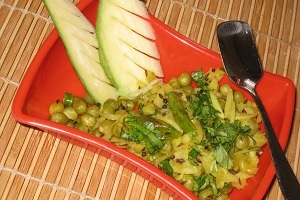
Spicy Peas with Mango make a healthy and nutritious snack. Use fresh peas to cut down cooking time. If using dried peas, soak them overnight and pressure-cook them before tempering. This is a vegetarian/vegan recipe, and doesn’t have onion or garlic. Servings: 4 Cooking Time: 15 minutes with fresh peas (30 minutes if using dried peas + […]
Read More
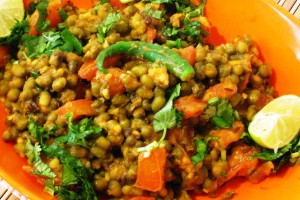
Whole Moong Curry is a dry curry made in Gujarati style with unpeeled (whole) moong beans. This is a healthy side for rice. Whole moong is rich in protein and fiber and a tasty addition to any vegetarian or vegan meal. Servings: 4 Cooking Time: 20 minutes Ingredients 1 cup whole moong dal (unpeeled, […]
Read More
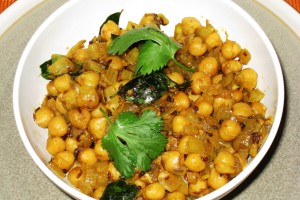
Spicy Chickpeas is a quick and easy vegetarian dish you can rustle up in no time, especially if using canned chickpeas. Chickpeas are full of protein and fiber, and provide an easy way to make your meals healthy and full of nutrition. Servings: 3-4 Cooking Time: 15-25 minutes Ingredients 1 can (8 oz) of chickpeas […]
Read More

Chana Sundal (guggillu or usli) is great if you want a nutritious and filling snack full of protein and fiber. This vegetarian and vegan dish is made with chickpeas (garbanzo beans) and coconut. You can also serve this with rice and ghee. It’s great as an afternoon snack for kids or anyone looking for […]
Read More
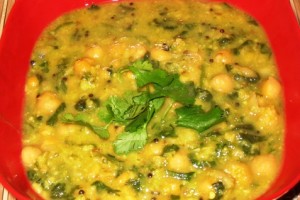
Chana-Palak Curry is probably the easiest among the vegetarian gravy curries. This is a delicious way to get your greens vitamins. The masala takes only a couple of minutes to grind, and if you’re using canned chickpeas, you can make it any time. Of course, you can use fresh garbanzo beans by soaking the […]
Read More
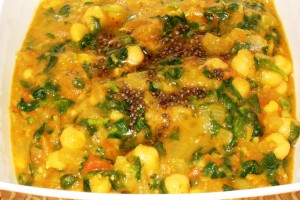
Chana-Methi Curry is a vegan/vegetarian gravy curry made with chickpeas (garbanzo beans) and fenugreek leaves. This curry is full of protein, fiber and vitamins. You can use canned beans or fresh garbanzo beans by soaking them the night before and boiling them. Or just boil the dry chana with lots of water and a pinch […]
Read More
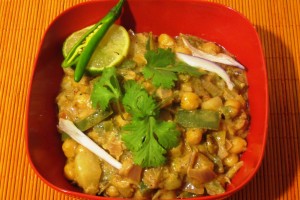
Chana Kurma is a delicious restaurant-style dish that you’ll love. Made with chickpeas and mixed vegetables, this spicy gravy curry tickles your palate. Chickpeas are a wonderful addition to any meal as they provide a lot of protein and fiber along with calcium, iron, and potassium. Servings: 4-6 Cooking Time: 20 minutes Ingredients 1 can […]
Read More
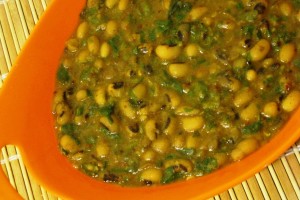
Black-Eyed Peas-Methi Gravy is a healthy and flavorful dish that’s also very filling. If you’re wondering how to use fenugreek leaves (methi), try this recipe. The slightly bitter taste that these leaves have disappears completely in this gravy curry because of the black-eyed peas and amchur powder (dried mango powder). Serve with rice, roti, or use as a […]
Read More

Black Beans Curry is a simple South Indian curry that is wholesome and easy to make. Great when you’re looking to rustle up something tasty quickly, with little effort. Servings: 3 Cooking Time: 10 minutes Ingredients 1 can of boiled black beans, drained and rinsed 1/2 cup onions, finely chopped 1/4 inch piece of ginger, […]
Read More

Kidney Beans Chili (rajma) is a North Indian vegetarian chili recipe. This is an easy-to-make recipe for vegetarian (and vegan) chili. Serve this spicy beans curry with Indian roti or rice for a nutritious meal. Servings: 4 Cooking Time: 20 minutes Ingredients 1 1/2 cups soaked and boiled kidney beans (rajma) or if using canned […]
Read More

Chana Masala or Chickpea Chili (also known as Chole) is a North Indian vegetarian dish that is extremely popular in India. This dish is filling and full of nutrition and tastes delicious with Indian poori, bhatura, naan, or with basmati rice. Chickpeas or garbanzo beans are very healthy for you as they’re full of iron, […]
Read More




Follow VegRecipes4U
Connect with us on social media.