You are here: Home » All Recipes » Dals and Soups
Category: Dals and Soups
Dals and soups (i.e., lentil soups) have been a part of Indian food from times immemorial. In India, the simple but wholesome dal-chawal (lentil soup-rice), and dal-roti (lentil soup and flat bread) are enjoyed by all, whether vegetarian or not. Every Indian household has its own favorite recipe for dal. Try the Bottlegourd Dal or browse for more vegetarian and vegan lentil soup recipes below.
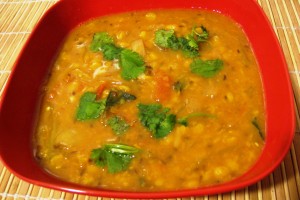
This yellow lentil soup is not only easy to make but also tastes great! This vegetarian/vegan soup is an easy pressure cooker recipe you can make when you’re rushed for time and need something wholesome and nutritious to eat. Yellow lentils require a little more time to cook than the red lentils (red gram); be sure […]
Read More
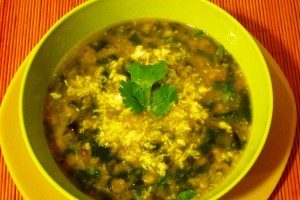
Spinach Masala Dal is a North Indian lentil soup that’s tangy and slightly sweet, and makes a great accompaniment for plain rice. This spicy dal is nutritious as the spinach provides a lot of iron and greens vitamins, while the yellow lentils provide a lot of protein. Servings: 4-6 Cooking Time: 20 minutes Ingredients 1 […]
Read More
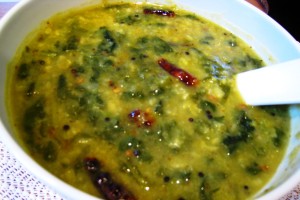
Spinach Dal is a simple and delicious vegetarian side made with mung (moong) dal and spinach. This dal tastes great with Indian roti or rice. This is a great way to get your greens vitamins, and an easy pressure cooker recipe. Servings: 4 Cooking Time: 15 minutes Ingredients 1 cup moong dal (split mung beans) […]
Read More
This Roasted Tomato Soup is extremely easy to make and a simple yet delicious soup. For best taste, use organic, wine-ripened tomatoes that are fresh and ripe. For a spicier taste, add a dash of red chilli powder. This is a healthy soup to add to your vegetarian or vegan meals. Servings: 4 Cooking Time: 45-60 […]
Read More
Ridge Gourd Kootu is a quick and easy lentil soup that goes well with rice. Serve this tasty and wholesome dal with ghee (clarified butter), and pappadums. Look for ridge gourd in Indian and Asian grocery stores. Cooking Tip Be sure to check the ridge gourd for bitterness before cooking. Ingredients 3 cups ridgegourd, peeled […]
Read More

Ridge Gourd Dal is a simple lentil soup that can be made very quickly. This is a great soup for cold winter nights; serve this dal with hot, steaming rice or with Indian roti. This is an easy pressure-cooker recipe. Cooking Tip Be sure to taste the ridge gourd and make sure it’s not bitter. Servings: […]
Read More

Mustard Greens Dal is a healthy vegetarian/vegan lentil soup. This is a great way to include these greens in your vegetarian diet. Mustard greens are great for lowering cholesterol. Servings: 4 Cooking Time: 20 minutes Ingredients 3/4 cup chana dal (yellow lentils) 3 cups mustard greens (sarson), chopped 2 cups tomatoes, cut into big cubes […]
Read More

Make this Mustard Greens-Cabbage Kootu if you want to include some healthy green in your diet. This vegetarian/vegan lentil soup with yellow lentils is a healthy and easy recipe. Mustard greens, like collard and kale, help lower cholesterol. They contain glucosinolates, which are phytonutrients that protect against cancer. Servings: 4 Cooking Time: 20 minutes Ingredients […]
Read More

Moong Dal-Drumstick Soup is a nutritious and delicious soup that can be served with rice and a vegetable curry like potato fry, for a quick, filling meal. You can make this dish in 15 minutes, and is great for those times when you come home late and don’t have time to cook an elaborate meal. […]
Read More

Lemony Moong Dal (aka pesara kattu) is a tangy, delicious, and slightly watery lentil soup with split moong beans that’s popular in Andhra Pradesh, India. Easy to cook and easy to digest, moong dal is a great to include in your weekly vegetarian menu. This recipe is an easy pressure-cooker recipe and can be made […]
Read More

Made with toor dal (tur, red gram, pigeon peas), Jeera Dal is a great accompaniment to Indian phulka and rice. Not only is toor dal nutritious but it is also very versatile. This simple vegetarian lentil soup is proof that you don’t need to add lots of spices to make a dish taste great! This […]
Read More

This tangy Chayote Pear Green Dal is flavored with curry leaves and coriander seeds. The green chillies and curry leaves along with the green peas and chayote pear (bangalore kathrikai) give this hearty lentil soup a greenish tinge. Team this dal with hot plain rice and pappadums for a healthy vegetarian/vegan meal. Servings: 4 Cooking […]
Read More



Follow VegRecipes4U
Connect with us on social media.