Health Benefits of Amaranth
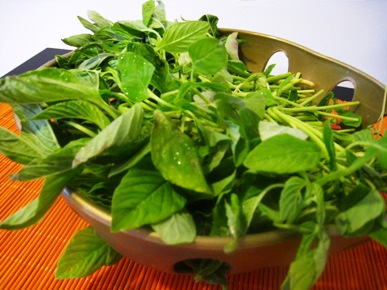
The health benefits of amaranth are being rediscovered in the Western world today, but they were recognized long ago by people from countries like Mexico, Argentina, and India. Believed to have originated in the Americas, and then introduced to Asia, amaranth has been a part of the human diet in both the seed (grain) and leaf forms for a long time.
Amaranth in Greek means “everlasting”. The Aztecs knew it as the “food of immortality”, while in India, amaranth grain is known as “rajgeera” meaning, “the king’s grain”.
Known as thotakoora, cholai, marsa, and tamri bhaji, in various Indian languages, amaranth leaves are very popular in Indian cooking, especially in the South, and come in many varieties: green, red, and bicolored. The leaves are used in curries and soups.
Amaranth leaves are similar in taste to spinach but with a stronger flavor and cook very easily. In fact, many people rate it higher in terms of taste than spinach. In terms of nutrition as well, when compared to spinach, amaranth has more to offer as it has higher concentrations of calcium, iron, phosphorus, and vitamins.
Amaranth and Health
Homeopathic and ayurvedic experts have always recognized the amazing health benefits of amaranth. Both, the seeds and leaves of amaranth, are used as herbal remedies. The seeds and leaves have been found to be very effective in stopping diarrhea, and hemorrhagic problems like excessive menstruation.
Amaranth leaves are also a wonderful astringent, and make a great wash for skin problems like eczema, and a wonderful acne remedy. Amaranth also makes an effective mouthwash for treating mouth sores, swollen gums, and sore throat.
Amaranth leaves have been found to be a good home remedy for hair loss and premature greying. Applying the fresh juice of amaranth leaves helps hair to retain its color, and keeps it soft, and is a great hair-loss treatment.
The amaranth seed or grain is similar to millet and quinoa in terms of nutritional benefits. In India, the grain is popped like corn and used like breakfast cereal, porridge, and gruel, and in sweets like laddus, or milled into flour and used to make flatbreads (chapathis).
Amaranth grain has an extremely high protein and high fat content. In fact, amaranth is a better source of protein than wheat. Amaranth grain contains 6-10 percent oil — mainly an unsaturated oil which is high in linoleic acid and lysine, essential amino acids, necessary for overall health maintenance and tissue repair. Our bodies cannot produce these essential fatty acids; we must therefore obtain these from our diet.
Amaranth is also rich in carbohydrates. It is this balance of carbohydrates, protein, and fat that make this grain great as energy food. Because of these essential nutrients and it’s nutty flavor and crunchy texture, amaranth is a popular ingredient in health food, and is being increasingly used in greens plus energy bars.
Amaranth grain is also very easy to digest and gluten-free, and, hence, often fed to babies, children, the elderly and those recovering from fasts and illnesses.
In India, amaranth grain is milled into flour and combined with other flours for making breads.
In the US, amaranth leaves, grain, and flour are available in Indian and Asian grocery stores, as well as in your local organic and vitamin shop.
Sources
Encyclopedia of Alternative Medicine
http://www.vitamins-supplements.org
Home Remedies for Common Ailments (H.K. Bakhru)
Cooking Tips
- Buy leaves that look fresh, and refrigerate to keep them from wilting. Amaranth leaves are best when used in 2-3 days.
- Chop off the roots and tougher stems. Use the leaves and tender part of the stems.
- Rinse multiple times to remove any dirt/sand; or drop them in a large bowl of water and let sit for a minute until the dirt settles to the bottom, and then remove the leaves. Repeat a couple times in clean water.
Category: Health