
Health Benefits of Sabudana (Sago)
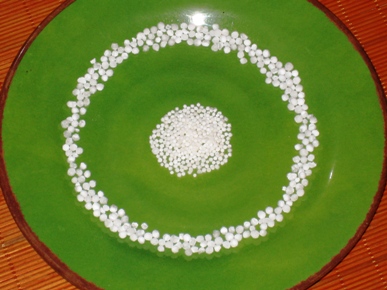
The health benefits of sabudana (sago) are mainly in the carbohydrates it provides. Also known as tapioca pearls, sago is made from the starch extracted from the pith (center) of the sago palm stems. The commercial production of sago is in the shape of small globules or pearls.
In India, sago is used in puddings (payasam), in gruel or soup, and upma dishes. In gruel form, it’s a good alternative to carbonated drinks as it gives energy without the added chemicals and artificial sweeteners.
Sabudana is full of starch or carbohydrates and is great for a quick boost of energy, and hence often served in India for breaking fasts during religious festivals. Sago gruel is also great when you’re sick because it gives you quick energy and is easy to digest. According to Indian medicine, sago and rice have a cooling effect on the system, hence sago gruel is given if you have excess bile (caused by excess body heat).
Sabudana is extremely low in fat but also low in protein. As it’s just starch, other than the carbohydrates, nutrition-wise, sabudana does not contain any minerals or vitamins and has very low amounts of calcium, iron, and fiber. However, you can make up for this by using other ingredients with it, such as milk for making sabudana kheer/payasam/gruel or vegetables and peanuts for making sabudana khichdi.
Sago powder can be used as a thickening agent in gravy dishes, and sago or tapioca flour can be used to make flat-breads. Sago can be made into vadas and boiled and sun-dried and made into pappadums.
Cooking Tips
- For sabudana khichdi, wash and soak subadana in a little water overnight (or for at least 5-6 hours), so the hard globules can soften.
- Once softened, you can store it in the refrigerator for up to 3 days. When you want to use it, sprinkle a little water if it looks dry, cover and leave it at room temperature for about 30 minutes.
- Add vegetables to sabudana to add more nutritional value, flavor, and color.
- For gruel and kheer (pudding), cook the sabudana in water until translucent and spongy before adding milk.
Category: Health





sago can I use for reduced weight or it ‘ll only helps to gain weight as it is having only carbohydrate. if it can b use for reduced weight how I should use please guide thanks in advance
Hi Srabani,
Thank you for your question. Sago contains mostly carbohydrates, so it’s not good for losing weight.
Sago is very good for stomach. It is a cooling agent.
Add a little bit of milk and sago, boil until it becomes semi-liquid. In the good old days, it was an ideal gruel.
If you get lose motions when you take antibiotics, drink sago water. Boil some sago in water, let the water cool, add some sugar, strain it, and drink half a cup of this thick water three times a day. Take as many antibiotics as your doctor prescribes without fear of lose motions.
IF you find your energy level very low than sabudana is really great for you. Read more sabudana health benefits.